

Written by Junnun Mojumder
In today’s fast-paced world, it’s easy to get overwhelmed by mounting responsibilities, digital noise, and constant pressure to perform well.
Over time, this lifestyle drains your energy, confidence, creativity, and joy. That’s why many people now seek a self development retreat—a powerful opportunity to reset your life, regain inner peace, and rediscover your true self. More than just a vacation, it offers an intentional journey to rebuild and realign your emotional, mental, and spiritual well-being.
These retreats blend healing practices, structured workshops, quiet reflection, and science-backed growth techniques. Whether you’re facing stress, burnout, or simply craving transformation, this guide explains how such a retreat can help reset your mind, body, and purpose.
What Is a Self-Development Retreat?
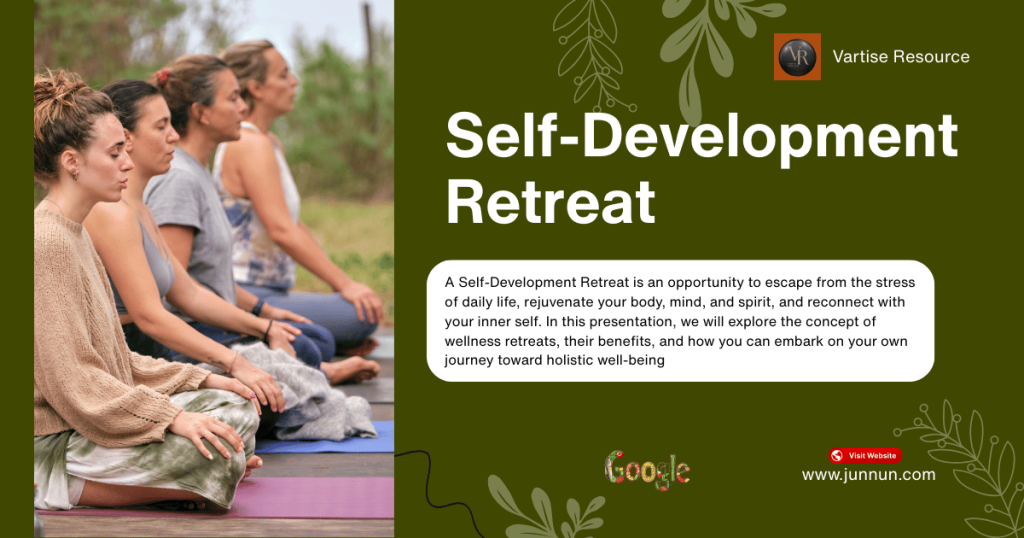
A self development retreat is a guided program where participants temporarily step away from their daily routine to focus on personal growth and mental well-being. These retreats include activities such as
- Meditation & mindfulness
- Yoga & breathwork
- Stress-relief techniques
- Confidence-building workshops
- Productivity and goal-setting sessions
- Emotional healing activities
- Nature-based therapies
- Life-coaching guidance
The goal is simple: build a better version of yourself in a peaceful, distraction-free environment.
A self development retreat provides a safe space to explore your thoughts, reset your mindset, and gain clarity about your life.
Why Do You Need a Self-Development Retreat?
In modern life, we rarely get the chance to pause and reflect. A retreat removes you from distractions, giving you room to breathe and reset. It helps you rebuild your inner strength, regain confidence, and reconnect with your goals. Many people return from such retreats with renewed energy and a transformed mindset.
If you’ve been feeling:
- Drained
- Stuck
- Lost
- Unmotivated
- Mentally overwhelmed
- Emotionally exhausted
- Disconnected from yourself
Then a self-development retreat can be your turning point..
1. Stress-Relief Activities: Healing Starts with Relaxation
Most retreats include scientifically designed stress-relief activities such as:
- Nature walks: Walking through forests, beaches, or mountains helps your mind calm down naturally. Nature reduces stress hormones and improves emotional stability.
- Deep breathing sessions: Breathing exercises help slow down your nervous system, control anxiety, and restore balance.
- Digital detox practices: Turning off social media and limiting screen time gives your brain rest from constant information overload.
- Creative healing activities: Journaling, painting, music therapy, and expressive writing help you release stress and emotional baggage.
These activities help your mind shift from survival mode to calmness, making you feel refreshed, lighter, and clear-headed.
2. Meditation and Yoga Sessions: Reconnecting Mind & Body
No self development retreat is complete without meditation and yoga. These practices create powerful mental and physical transformation by calming the mind, reducing stress, and increasing awareness.
Through intentional movement and mindful breathing, participants achieve balance, clarity, and inner peace, making these sessions essential for deep personal growth.

- Meditation: Meditation improves focus, reduces emotional stress, increases self-awareness, and helps you stay grounded. Retreats often include guided meditation, mindfulness sessions, and silent reflection periods.
- Yoga: Yoga improves flexibility, posture, and overall health while reducing tension. Different yoga styles—Hatha, Vinyasa, and Yin—help release physical stress and calm your mind.
Benefits of Meditation & Yoga at a Retreat
- Better emotional control
- Reduced anxiety
- Improved mental clarity
- Stronger focus and productivity
- Higher self-awareness
- Deep sense of peace
These practices act like a reset button for your brain and body.
3. Confidence-Building Workshops: Unlock Your Inner Strength
A major highlight of a self development retreat is the opportunity to strengthen your confidence. Life’s challenges can drain your self-belief, but retreats help rebuild it through empowering workshops, guided exercises, and supportive environments.
These experiences encourage personal breakthroughs, helping you rediscover inner strength and develop a more resilient, confident mindset.
What You’ll Learn:
- How to overcome fear
- How to stop negative self-talk
- How to build emotional resilience
- How to trust yourself
- How to express your thoughts clearly
- How to make confident decisions
You participate in interactive exercises, group discussions, and guided coaching sessions. These activities help you understand your strengths and overcome limiting beliefs.
After the retreat, you return with a stronger, more confident version of yourself
4. Goal Setting & Life Planning: Designing Your Future
A self-development retreat gives you the clarity to set goals that genuinely matter. Instead of chasing random tasks or short-lived ambitions, you learn to create a purposeful life plan. This process helps you focus on what truly aligns with your values, dreams, and long-term vision.

During the retreat, you learn:
- How to identify your true goals
- How to create realistic action plans
- How to prioritise what matters
- How to eliminate distractions
- How to create a long-term life balance
Retreat coaches guide you through practical frameworks like:
- Vision mapping
- Habit tracking
- Productivity systems
- Personal mission statements
By the end of the retreat, you will know exactly what direction your life should move toward.
5. Guidance for Mental Peace & Improved Focus
Mental peace is something we all desire but often struggle to achieve. A self-development retreat helps you cultivate inner calm by teaching mindful practices, emotional awareness, and stress-management techniques. Even in challenging moments, you learn how to stay centred, focused, and grounded from within.
How retreats improve mental peace:
- You learn to control your thoughts
- You develop mindfulness habits.
- You disconnect from chaos.
- You build emotional awareness.
- You practice gratitude
- You experience silence and stillness.
How retreats improve focus:
- Structured routines
- Distraction-free environment
- Deep work techniques
- Improved sleep
- Healthy eating
- Clear mental space
When your mind is peaceful, your productivity, creativity, and decision-making naturally improve.
6. Developing Healthy Habits: Building a Stronger You
A self development retreat helps you break free from unhealthy patterns and replace them with sustainable habits that support long-term growth. Through guided activities, mindful practices, and structured routines, you learn to rebuild your mindset, strengthen self-discipline, and create positive lifestyle changes that continue to benefit you long after the retreat ends.

Healthy habits you develop include:
- Waking up early
- Eating nutritious meals
- Practising daily meditation
- Regular exercise
- Positive journaling
- Limiting social media
- Consistent sleep schedules
Coaches guide you step by step so the habits become part of your lifestyle even after you return home.
Healthy habits = Healthy mind + Healthy life.
7. Removing Negativity & Creating a Positive Mindset
Over time, these techniques help cultivate resilience, boost mental clarity, and empower individuals to approach life with confidence, optimism, and a renewed sense of inner peace.
Many people struggle with:
- Negative thoughts
- Fear of failure
- Emotional blocks
- Low self-esteem
- Toxic relationships
- Self-doubt
A self-development retreat helps you break these patterns through:
- Creating a positive mindset training: You learn to reprogram your mind and replace negative thoughts with empowering ones.
- Emotional healing: Retreats provide safe spaces to address old wounds, trauma, and emotional pain.
- Detoxing your environment: You learn how to distance yourself from toxic influences and build healthier boundaries.
- Gratitude practices: Gratitude helps create a happier and more positive outlook on life.
This shift in mindset becomes the foundation of your new life.
Additional Elements That Make a Self-Development Retreat Transformative
Additional elements that make a self-development retreat truly transformative include personalised coaching, mindful reflection practices, and immersive group activities that encourage emotional growth. Participants benefit from a supportive environment where they can recharge, gain clarity, and strengthen inner resilience.
By combining practical tools, wellness routines, and deep self-awareness exercises, these retreats create lasting positive change and introduce practical strategies that empower individuals to return to life with renewed purpose and confidence.
Key Transformative Elements:
- Community Support: You meet like-minded people who inspire and support your growth.
- Personalised Coaching: Experts guide you through your challenges with practical strategies.
- Time for Reflection: Silent periods help you think deeply about your life.
- Nature Healing: Being close to nature improves mental clarity and emotional balance.
- Healthy Lifestyle Reset: You eat clean, sleep well, and follow a structured routine.
All these elements combine to create a powerful transformation.
Final Thoughts:
Is a Self-Development Retreat Worth It?
Absolutely—a self development retreat is one of the best investments you can make in yourself.
It helps you heal, grow, and rediscover your true potential. Whether you’re overwhelmed, confused, or simply want to elevate your life, a retreat offers the clarity and strength you need to move forward with confidence.
If you want to reset your life, gain mental peace, improve your habits, and build a positive mindset, a self-development retreat can be the life-changing experience you’ve been waiting for.
Frequently Asked Questions (FAQ)
1. What should I expect during a personal growth retreat?
You can expect a mix of self-reflection, guided activities, wellness sessions, group discussions, and time for relaxation. The environment is intentionally designed to help you reset mentally and emotionally.
2. Do I need prior experience with meditation or yoga?
No. Most retreats are beginner-friendly, and instructors guide participants through each practice step-by-step, making it suitable for all experience levels.
3. What kind of results can I expect after attending a retreat?
Participants often experience reduced stress, improved clarity, stronger emotional balance, renewed motivation, and a more positive outlook on life.
4. How do I prepare before joining a retreat?
It’s helpful to set intentions, pack comfortable clothing, reduce digital distractions, and maintain an open mindset ready for growth and self-reflection.
5. Is it normal to attend a retreat alone?
Absolutely. Many participants join alone, and retreats are structured to create a safe, supportive, and friendly environment where connections form naturally.
6. What type of people usually attend these programs?
People from all backgrounds—professionals, students, entrepreneurs, and caregivers—attend. The common goal is personal growth, healing, and finding balance.
7. Will the retreat help me develop long-term habits?
Yes. Retreats teach practical tools, routines, and mindset techniques that you can continue applying long after the program ends.
8. Are retreats suitable for someone dealing with burnout or emotional exhaustion?
Yes. Retreats are beneficial for burnout, offering rest, emotional support, guided healing activities, and space to recover and rebuild strength.