

Writing by Junnun Mojumder
Every successful business you admire—from neighborhood startups to global brands—has one thing in common: a clear path for growth. Growth doesn’t happen by accident. It’s designed, tested, refined, and executed with intention.
In today’s competitive market, guessing your way forward is no longer an option. You need direction, structure, and a strategy that doesn’t just chase quick wins but builds something that lasts. That’s where business development plans come into play.
This article will walk you through 10 proven, real-world plans that help businesses grow steadily, sustainably, and confidently—without burning out teams or budgets.
Why Sustainable Growth Matters More Than Fast Growth
A few years ago, I worked with a small service-based startup that grew incredibly fast. New clients every week, rising revenue, lots of excitement. However, six months later, the cracks began to show—overworked staff, unhappy customers, and cash flow issues.
Fast growth feels good. Sustainable growth keeps you alive.
Sustainable success means the following:
- Predictable revenue
- Strong customer relationships
- Scalable systems
- Long-term brand trust
The smartest companies don’t rush. They rely on business development plans that balance ambition with stability.
1. Market Penetration Strategy
This plan focuses on increasing sales to your current customer base by enhancing engagement strategies, improving customer satisfaction, and offering tailored promotions to drive repeat business and loyalty.
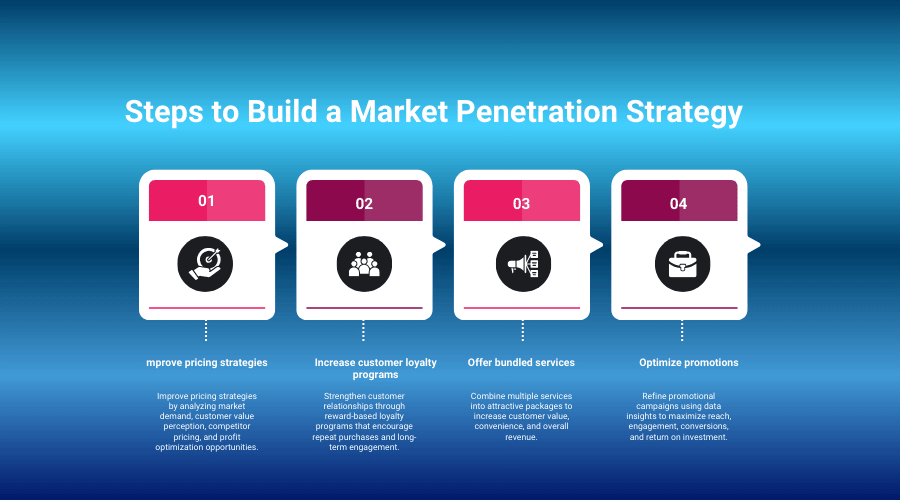
Instead of chasing new audiences, you:
- Improve pricing strategies
- Offer bundled services
- Increase customer loyalty programs
- Optimize promotions
It’s one of the safest growth approaches because you already understand your customers.
Best for: Small businesses and startups with limited budgets.
2. Customer-Centric Growth Plan
Businesses don’t grow on their own; it is customers who drive this process. Engaged and loyal customers actively interact with the brand, offer valuable feedback, and share their experiences, ultimately contributing to the growth and success of the business.
This plan puts customer experience at the center by:
- Collecting feedback regularly
- Improving onboarding
- Offering personalized solutions
- Building community and trust
Happy customers don’t just stay—they refer others.
When done right, this becomes one of the most powerful business development plans because growth comes organically.
3. Strategic Partnerships & Alliances
You don’t have to grow alone. Surround yourself with supportive friends, mentors, and loved ones who uplift and inspire you. Together, you can share experiences, gain new perspectives, and navigate challenges, fostering personal growth in a nurturing and encouraging environment.
Strategic partnerships allow you to:
- Access new audiences
- Share resources
- Build credibility faster
- Reduce marketing costs
Think of fitness trainers partnering with nutrition brands, or digital agencies collaborating with software companies.
The right partnership can cut years off your growth timeline.
4. Product or Service Diversification
Once your core offering is stable, exploring diversification can lead to new revenue streams. By expanding your product line or service offerings, you can attract a broader audience, mitigate risks, and enhance overall business resilience for sustainable growth.
This could mean:
- Adding complementary services
- Launching premium versions
- Creating digital products
- Expanding into subscriptions
A client of mine added a simple consulting package alongside their main service—and increased revenue by 35% in one year.
Diversification works best when guided by data rather than assumptions.
5. Sales Funnel Optimisation Plan
Driving traffic to a business is important, but it’s not enough to ensure growth. Ultimately, it’s converting that traffic into actual customers that truly propels a business forward and fosters long-term success.
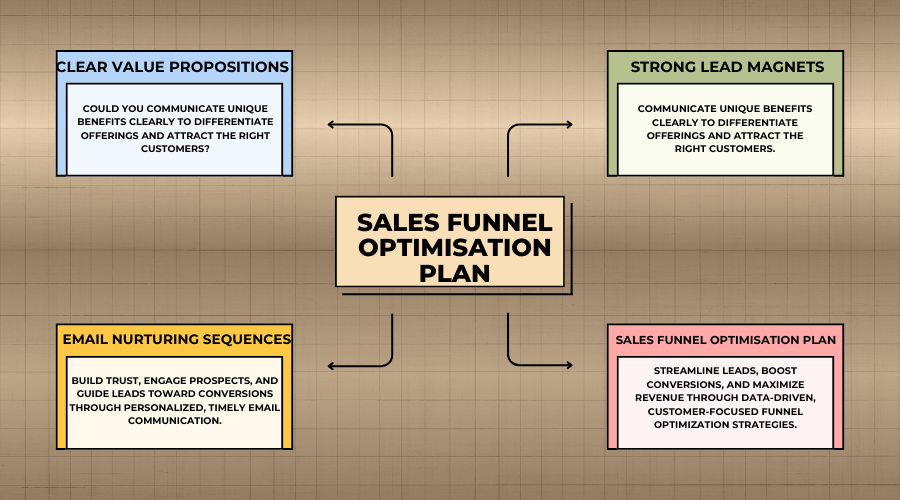
This plan focuses on:
- Clear value propositions
- Strong lead magnets
- Email nurturing sequences
Each stage of the funnel should guide prospects closer to a decision.
Many business development plans fail because they focus on awareness but ignore conversion.
6. Data-Driven Growth Strategy
Your gut feeling can guide you in decision-making, often capturing nuances that data might miss. However, data brings clarity and power, providing insights and trends that can validate or challenge your instincts. A balance of both is essential for success.
A data-driven plan uses the following:
- Customer behaviour analytics
- Sales performance metrics
- Funnel drop-off analysis
- ROI tracking
Instead of asking, “What should we try next?” you ask, “What’s already working—and how can we scale it?”
This approach reduces risk and improves decision-making.
7. Brand Positioning & Authority Building
Individuals are not necessarily drawn to the best products available on the market. Instead, their purchasing decisions are heavily influenced by their level of trust in a brand, prioritising reliability and reputation over mere quality.
This plan focuses on:
- Thought leadership content
- Consistent brand messaging
- Social proof and case studies
- Public visibility
Strong branding shortens the sales cycle and increases pricing power. That’s why long-term business development plans always include brand authority.
8. Geographic Expansion Plan
Once your business establishes a stable foundation in your local market, considering geographic expansion can open significant growth opportunities. This strategic move allows you to tap into new customer bases and increase your overall market presence effectively.
Expansion doesn’t always mean physical offices. It can include:
- Online services in new regions
- Localised marketing campaigns
- Strategic regional partners
The key is understanding cultural and market differences before scaling.
9. Team & Leadership Development Plan
Businesses do not outgrow their leaders; instead, it is the leaders who evolve beyond their organizations. This growth is essential for the business to thrive, as a strong leadership development plan ensures effective leadership that drives innovation, adaptability, and the ability to meet changing market demands.
This plan invests in:
- Skill development
- Leadership training
- Clear roles and accountability
- Performance systems
A strong internal team creates external success.
Without this, even the smartest growth strategy collapses.
10. Innovation & Long-Term Vision Plan
Markets continually evolve, reflecting the shifting demands and preferences of consumers. As technology advances at a rapid pace, businesses must adapt to these changes to remain competitive and effectively meet the evolving needs of their customers and markets.
This plan ensures you:
- Stay adaptable
- Invest in innovation
- Test new ideas safely
- Prepare for future shifts
The companies that survive decades are the ones that think ahead. The most effective business development plans don’t just react—they anticipate.
How to Choose the Right Plan for Your Business
Not every plan fits every business. The right approach depends on:
- Your current growth stage
- Available resources
- Market conditions
- Long-term vision
Start small. Test one or two strategies and measure results. Then scale what works.
Remember: consistency beats complexity.
Final Thoughts: Growth Is a Process, Not an Event
Sustainable success doesn’t come from one lucky decision or viral moment. It’s built through clarity, patience, and smart planning.
When your strategy is aligned with your values, customers, and capabilities, growth feels less stressful and more predictable.
Whether you’re just starting or looking to scale, investing time in thoughtful business development plans will always pay off—today, tomorrow, and years down the road.
Frequently Asked Questions (FAQ)
1. What is the main goal of a business development plan?
The main goal is to create steady progress, increase revenue, and build long-term stability for a business.
2. How can a company grow without increasing risk?
By focusing on data, customer needs, and scalable systems instead of quick, aggressive expansion.
3. Are growth strategies only for large companies?
No, small and medium-sized businesses can use them effectively to grow in a controlled, affordable way.
4. How do customer relationships impact long-term success?
Strong relationships increase repeat purchases, referrals, and brand trust over time.
5. What role does marketing play in business growth?
Marketing helps attract the right audience, communicate value, and guide potential customers toward decisions.
6. How often should growth strategies be reviewed?
They should be reviewed every three to six months to stay aligned with market changes and performance.
7. Can partnerships really help a business expand?
Yes, the right partnerships open new opportunities, reduce costs, and improve credibility faster.
8. What is the biggest challenge in scaling a business?
The biggest challenge is maintaining quality, systems, and team performance while growing.